

The main sleep apnea treatments are CPAP, oral appliance therapy, weight-loss medication, and hypoglossal nerve stimulation (Inspire). All of them require an official OSA diagnosis from a sleep test first, which you can often complete at home.
If you wake up exhausted, struggle with loud snoring, or feel persistent brain fog throughout the day, you aren't alone. Millions of people have obstructive sleep apnea (OSA), a condition where the airway partially or completely collapses during sleep, causing you to temporarily stop breathing.
The good news?
We live in a golden age of sleep medicine. More effective, comfortable, and innovative treatments are available today than ever before. But before you can access these life-changing therapies, you can't skip one crucial step: getting an official OSA diagnosis through a sleep test.
Here is a simple breakdown of the most popular sleep apnea treatments today, and why getting that official diagnosis is the key to feeling better, protecting your health, and getting your life back.
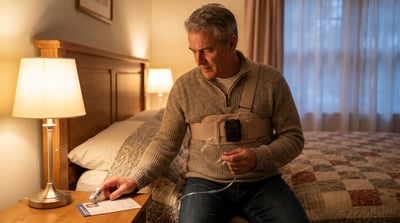
Do You Need a Sleep Test Before Treatment?
You might be wondering, "If I know I snore, can't I just go buy a treatment?" Often, the answer is no.
Because sleep apnea treatments are medical devices and prescription medications, you need an official clinical diagnosis to access them. More importantly, insurance companies typically require proof of your condition (usually your AHI, or Apnea-Hypopnea Index score) before they will agree to pay for your care.
A formal sleep study tells your doctor exactly how severe your apnea is, ensuring you're matched with a therapy that will work for your body. Don't let that scare you; testing can be done in your own bed, in as little as a week! Learn more about how home sleep testing works.
What Are the Treatment Options for Sleep Apnea?
Once you have your sleep test results, a whole world of treatment options opens up. Many of these treatments are used together to help treat sleep apnea if you're diagnosed. Here are the most common paths to better sleep:
| Treatment | Best for | How it works | Requires a diagnosis? |
|---|---|---|---|
| CPAP | Most adults with OSA, from mild to severe | Pressurized air holds the airway open | Yes |
| Oral appliance therapy | Mild to moderate OSA, or people who can't tolerate CPAP | Holds the lower jaw forward to keep the throat clear | Yes |
| Zepbound (tirzepatide) | Adults with moderate to severe OSA and obesity | Weight loss relieves pressure on the airway | Yes |
| Nerve stimulation (Inspire) | Moderate to severe OSA when CPAP doesn't work | A mild pulse moves the tongue out of the airway | Yes |
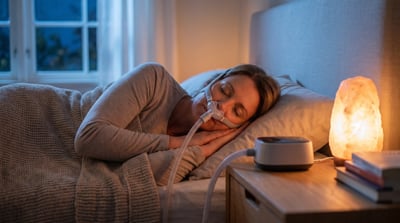
1. How Does CPAP Therapy Work?
CPAP (Continuous Positive Airway Pressure) is a bedside machine that keeps your airway open with a steady stream of air.
- What it is: The "gold standard" of sleep apnea care. A small, bedside machine delivers a continuous stream of pressurized air through a mask.
- How it works: Think of the air as a "pneumatic splint." It gently props your airway open from the inside so it can't collapse while your muscles relax during sleep.
2. How Does Oral Appliance Therapy Work?
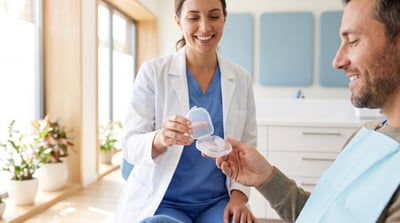
Oral appliance therapy (OAT) uses a custom-fit dental device to keep your airway clear while you sleep.
- What it is: A custom-fit dental device that looks similar to a sports mouthguard or orthodontic retainer.
- How it works: Specially trained sleep dentists fit this device to gently hold your lower jaw forward while you sleep. This simple shift prevents your tongue and soft tissues from falling back and blocking your throat. It's an incredibly popular alternative for people who find CPAP masks uncomfortable. Find a sleep dentist near you.
3. Is There a Medication for Sleep Apnea?
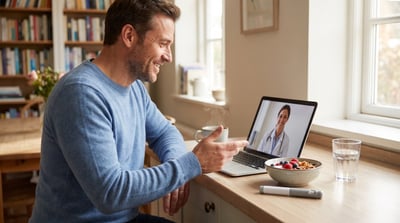
Yes. Zepbound (tirzepatide) is the first and only prescription medication FDA-approved to treat sleep apnea.
- What it is: A brand-new frontier in sleep medicine! In December 2024, the FDA approved Zepbound, a weekly GIP/GLP-1 injection, for adults with moderate to severe OSA and obesity. An oral pill for sleep apnea is also under FDA review.
- How it works: For many patients, excess weight puts physical pressure on the airway, causing it to collapse. This medication drives significant weight loss, which directly relieves that structural pressure and drastically reduces sleep apnea events.
4. How Does Nerve Stimulation (Inspire) Work?
Hypoglossal nerve stimulation, best known as Inspire, is an implanted device that keeps your tongue from blocking your airway.
- What it is: A small, surgically implanted device, often described as a "pacemaker for the tongue." It's generally for people with moderate to severe OSA who can't use or tolerate CPAP, rather than a first-line option.
- How it works: It monitors your breathing while you sleep and delivers a mild pulse to the nerve that controls your tongue, moving it out of the airway right before a blockage can occur.
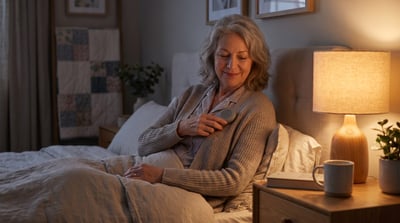
Take the First Step Toward a Healthier, More Rested Life
Treating sleep apnea isn't just about stopping the snoring so your partner can sleep. It is about boosting your daily energy and reducing risks linked to heart disease, high blood pressure, and stroke.
Taking that first step is easier and more convenient than ever before. You no longer have to spend the night in a cold, unfamiliar hospital lab covered in wires. Thanks to modern telemedicine, you can now consult with board-certified sleep physicians from the comfort of your own couch and complete your sleep study in your own bed.
Ready to get started? SleepTest.com connects you with streamlined telemedicine evaluations and home sleep testing, making it incredibly simple to get the diagnosis you need to finally access the treatments you deserve.
Don't spend another night fighting to breathe. Get tested, discover your options, and wake up to a better life.
Take the 1-Minute Quiz · Order a Sleep Test
Frequently Asked Questions
Do I need a sleep test to get sleep apnea treatment?
Yes. CPAP machines, oral appliances, Inspire, and OSA medications all require a prescription based on an official diagnosis. Insurance companies also typically need your sleep study results, including your AHI score, before they'll cover treatment.
Can I do a sleep test at home?
For many adults, yes. A home sleep apnea test (HSAT) is a small device you wear in your own bed for one or more nights. Your doctor may recommend an in-lab study instead if you have certain heart, lung, or neurological conditions.
What is an AHI score?
AHI (Apnea-Hypopnea Index) is the average number of times per hour your breathing stops or becomes shallow during sleep. In adults, 5 to 15 is mild, 15 to 30 is moderate, and 30 or more is severe.
What is the most effective treatment for sleep apnea?
CPAP is the most studied treatment and is considered the gold standard. The best treatment is the one you'll actually use every night, though. That's why oral appliances, medication, and nerve stimulation are important alternatives.
Is an oral appliance as good as CPAP?
Oral appliance therapy is a recommended option for adults who can't tolerate CPAP or prefer an alternative. It works well for many people with mild to moderate OSA. A follow-up sleep test confirms whether it's working for you.
Is there a pill or shot for sleep apnea?
Zepbound (tirzepatide), a weekly injection, is FDA-approved for moderate to severe OSA in adults with obesity. Other medications, including an oral pill, are in development and under FDA review.
Who is a candidate for Inspire?
Inspire is generally for adults with moderate to severe OSA who can't use or get consistent benefit from CPAP and who meet certain weight and anatomy criteria. A sleep physician will evaluate whether it's right for you.
Does insurance cover sleep apnea testing and treatment?
Most insurance plans, including Medicare, cover sleep testing and treatments like CPAP and oral appliances when a diagnosis documents medical need. Coverage details vary by plan, so check your benefits.
How long does it take to get diagnosed?
With telemedicine and home sleep testing, many people go from their first appointment to a diagnosis in about a week. They never need to spend a night in a sleep lab.
Disclaimer: This blog post is for educational and informational purposes only and does not constitute medical advice. The information provided should not be used for diagnosing or treating a health problem or disease. Always seek the advice of your physician or other qualified health provider with any questions you may have regarding a medical condition or treatment options.
Waking up exhausted, snoring loudly, or fighting brain fog all day? Sleep apnea treatment has never had more options, from CPAP and custom oral appliances to weight-loss medication and Inspire nerve stimulation. But every one of them starts with the same step: an official diagnosis from a sleep test, which you can now take at home in your own bed.
Sleep apnea does not always come with loud snoring. Morning headaches, fatigue, brain fog, night sweats, insomnia, and nighttime anxiety can all be quieter warning signs that are easy to overlook. Learn who is most likely to be missed, what symptoms to watch for, and why overnight testing can provide clearer answers.
Summer heat and humidity can worsen sleep apnea by increasing airway inflammation, relaxing throat muscles, disrupting deep sleep, and placing additional strain on the heart. This article explores eight ways higher temperatures may increase sleep apnea symptoms, along with practical tips for staying cool, reducing nighttime breathing disruptions, and protecting your health. It also explains how a home sleep test can measure your AHI and oxygen levels to help you better understand your sleep.

