

An Apple Watch sleep apnea notification means your watch spotted a pattern that may point to moderate to severe sleep apnea. It's a heads-up, not a diagnosis. Talk with a healthcare provider about a diagnostic sleep test. For many adults, that test can happen at home.
If your Apple Watch just flagged possible sleep apnea, take a breath. Getting an alert can feel unsettling, but it gives you something useful to follow up on.
We're glad your watch said something. Sleep apnea can go unrecognized for years. The tricky part is knowing what to do with the alert, right? Let's walk through it.
What Does the Apple Watch Sleep Apnea Notification Actually Mean?
The notification is a screening alert. Your watch uses its accelerometer to pick up small movements at your wrist while you sleep and look for breathing disturbances. Each night's results are labeled "Elevated" or "Not Elevated."
Apple evaluates these patterns over a 30-day period, with at least 10 nights of sleep tracking needed. Consistently elevated breathing disturbances may trigger a notification.
According to Apple's current support guidance, the feature works on Apple Watch Series 9 or later, Ultra 2 or later, and SE 3 with current software. It's intended for adults 18 and older who haven't already been diagnosed with sleep apnea. Availability varies by country and region.
The FDA cleared the feature in September 2024 to assess possible sleep apnea risk. It doesn't diagnose the condition, and a missing notification doesn't rule it out.
Think of the alert as a prompt to check in with a healthcare provider. It gives you a reason to investigate, but it can't tell you your diagnosis or which treatment you need.
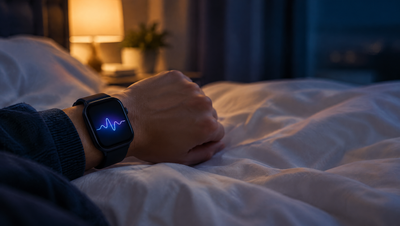
Can an Apple Watch Diagnose Sleep Apnea?
No. Diagnosing sleep apnea requires a clinical evaluation and diagnostic sleep testing. Your healthcare provider determines whether a home sleep apnea test or an in-lab sleep study is appropriate, and a physician interprets the results.
Here's the simple version of how the Apple Watch feature and a home sleep test compare:
| What It Does | Apple Watch Sleep Apnea Notifications | Home Sleep Apnea Test |
|---|---|---|
| Purpose | Flags patterns that may suggest sleep apnea | Collects diagnostic data to help evaluate suspected sleep apnea |
| What It Tracks | Wrist movements associated with breathing disturbances | Physiological signals related to breathing and sleep, depending on the device |
| Results | Breathing-disturbance trends and possible risk notifications | A physician-interpreted diagnostic report |
| Role in Your Care | Starts a conversation with your healthcare provider | Helps your provider determine a diagnosis and appropriate next steps |
Other watches and rings offer different sleep-tracking features. A sleep score isn't a sleep study. If a device flags something concerning, or you have symptoms despite reassuring readings, bring that information to your healthcare provider.
For background on these tools, read our 2024 overview of wearable technology and sleep apnea.
Why Isn't a Screenshot From Your Watch Enough?
Your watch report is a useful conversation starter. Apple even lets you export a PDF from the Health app to share with your healthcare provider. But that report doesn't replace a diagnostic sleep study.
Your clinician needs appropriate testing to determine whether you have sleep apnea and guide treatment. Insurance plans may also require a qualifying sleep study and other documentation before covering treatment. Requirements vary by plan.
And let's be real about human nature. We're all pretty good at telling ourselves, "I'm fine, it's probably nothing." Instead of leaving the alert in your notification history, use it to start a conversation.
What Should You Do After an Apple Watch Sleep Apnea Notification?
- Save your report. Export the PDF from the Health app so you can share the pattern your watch identified.
- Talk with a healthcare provider. Mention symptoms such as snoring, waking up unrefreshed, daytime sleepiness, or breathing pauses noticed by a partner.
- Discuss the right sleep test. Your provider can help determine whether home testing or an in-lab study fits your needs.
- Review the results and next steps. Testing helps turn a possible warning into information you and your provider can act on.
Why Does the Holiday Season Matter for Getting Tested?
Two reasons, and neither is about scaring anyone.
- Your insurance benefits may reset. Many health plans reset their deductibles on January 1. If you've already met yours, covered testing before the reset may cost less out of pocket. Not every plan works this way, and savings aren't guaranteed. Check your benefits or ask SleepTest.com to help verify them.
- The holidays are tiring enough. Sleep apnea can leave you waking up unrefreshed and struggling with daytime sleepiness. If you're already stretched thin between family, travel, and year-end work, that's a rough combination. Getting answers gives you and your provider a clearer plan.
Our article on year-end sleep testing and insurance benefits explains the basic idea. Confirm your current coverage and deductible reset date with your plan.
How Do You Get Tested Without Spending a Night in a Sleep Lab?
For adults who are suitable candidates, a home sleep apnea test lets you complete testing in your own bed. Your healthcare provider can help determine whether it's the right option for you.
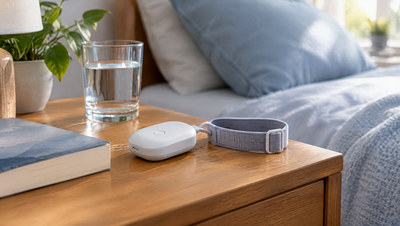
Here's how the process works with SleepTest.com:
- Start online. Take the short sleep apnea quiz or begin your test order. The quiz helps you recognize possible risk factors; it doesn't diagnose sleep apnea.
- Complete the required steps. If you're using insurance, SleepTest.com verifies your benefits and requires a pre-test telemedicine visit before testing.
- Test at home. Once the required steps are complete, the device is shipped to your door for a two-night study. You'll receive instructions to guide you through it.
- Get physician-reviewed results. After the device is returned, a board-certified sleep physician interprets your study.
- Discuss what comes next. A post-test telemedicine visit reviews your results and treatment options. This visit is required to obtain a prescription for therapy through SleepTest.com.
SleepTest.com focuses on testing and diagnosis. We don't supply CPAP or oral appliance therapy. We help you get the information you need so you can take the next step with a treatment provider.
Some people need an in-lab study, including those with certain medical conditions or an inconclusive home test. If a home test is negative but symptoms continue, follow up with your clinician rather than assuming sleep apnea has been ruled out.
Your Watch Noticed Something. Take the Next Step.
Your watch did its job. It tapped you on the shoulder. Now it's time to find out what that pattern means for you.
Start with a conversation, get the right test, and take the next step toward understanding your sleep.
Take the 1-Minute Quiz · Order a Home Sleep Test
Thanks for letting us be part of your sleep journey. Sleep well.
Frequently Asked Questions
Is the Apple Watch Sleep Apnea Notification Accurate?
It can identify patterns associated with possible sleep apnea, but it can miss cases and doesn't confirm a diagnosis. Apple says not everyone with sleep apnea receives a notification. Follow up on concerning symptoms even if your watch hasn't alerted you.
What Should I Do After an Apple Watch Sleep Apnea Notification?
Share the notification with a healthcare provider and discuss diagnostic sleep testing. You can export a PDF report from the Health app. A home sleep test may be an option, depending on your symptoms and medical history.
Can I Get a Home Sleep Test Without Going to a Sleep Lab?
For many adults, yes. A home sleep apnea test collects data while you sleep in your own bed. Your provider may recommend an in-lab study instead if you have certain heart, lung, or neurological conditions, severe insomnia, or other concerns that make home testing unsuitable.
Does Insurance Cover a Home Sleep Test?
Many plans cover medically necessary sleep testing, but coverage, referral requirements, prior authorization, deductibles, and copays vary. Check your benefits or ask SleepTest.com to help verify them before testing.
What If I Don't Have an Apple Watch?
You don't need one to seek help. If you snore, wake up tired, or someone has noticed pauses in your breathing, talk with a healthcare provider. They can evaluate your symptoms and determine whether sleep testing is appropriate.
Sources
- Apple Support: Sleep Apnea Notifications on Your Apple Watch
- FDA: Sleep Apnea Notification Feature Clearance
- American Academy of Sleep Medicine: Diagnostic Testing for Adult Obstructive Sleep Apnea
- SleepTest.com: Home Sleep Testing Process and FAQs
This post is for educational purposes only and isn't medical advice. Talk with your physician or other qualified healthcare provider about any questions you have regarding a medical condition.
Waking up exhausted, snoring loudly, or fighting brain fog all day? Sleep apnea treatment has never had more options, from CPAP and custom oral appliances to weight-loss medication and Inspire nerve stimulation. But every one of them starts with the same step: an official diagnosis from a sleep test, which you can now take at home in your own bed.
Sleep apnea does not always come with loud snoring. Morning headaches, fatigue, brain fog, night sweats, insomnia, and nighttime anxiety can all be quieter warning signs that are easy to overlook. Learn who is most likely to be missed, what symptoms to watch for, and why overnight testing can provide clearer answers.

