

Let’s be honest: who actually gets eight hours of sleep? Between work, kids, and that "one more episode" on Netflix, most of us are lucky to get six. We often wear our tiredness like a badge of honor, fueled by "just one more cup of coffee"—or four.
But there is a big difference between being "busy-tired" and "sleep-disordered-tired." Since March 8-14, 2026, is Sleep Awareness Week, it’s the perfect time to talk about the silent health-wrecker affecting millions: Sleep Apnea.
The Invisible Epidemic
Here is a staggering fact: Experts at the American Academy of Sleep Medicine (AASM) estimate that 80% of sleep apnea cases go undiagnosed. That means millions of adults are walking around in a "brain fog," thinking they just need a better pillow or more caffeine, when their bodies are actually gasping for air every single night.
What is Sleep Apnea? (The "Garden Hose" Problem)
Imagine trying to water your garden, but someone keeps stepping on the hose. That is what happens in your throat when you have sleep apnea.
When you sleep, your muscles relax. For many people, they relax so much that the airway closes up entirely. Your brain—acting like a built-in alarm—realizes you aren't getting oxygen and "shocks" you awake just enough to take a breath. This can happen 30 times every single hour. You won't remember it, but your heart and brain definitely do.
Why It Matters (Beyond the Coffee Pot)
If you think sleep apnea is just about loud snoring, think again. No amount of "extra cream and sugar" can fix the damage done by a night of restricted breathing. Over time, this stress leads to:
- Heart Issues: Higher risk of heart attacks and strokes.
- High Blood Pressure: Your body stays in "panic mode" all night.
- Mental Health: It is much harder to manage stress or stay happy when your brain never hits the "recharge" button.
The "Big Three" Myths
Many people assume they do not have sleep apnea because of a few common myths. The truth is, sleep apnea does not always look the way people expect. Here are three common misconceptions that keep people from getting tested.
- "I’m not an overweight man, so I’m fine."
The Truth: While weight is a factor, your neck shape and genetics matter more. Women and fit athletes get sleep apnea, too! - "Snoring is just a funny habit."
The Truth: Snoring is the sound of your airway struggling. It's the smoke; the apnea is the fire. - "I’d know if I stopped breathing."
The Truth: You are unconscious! Most people only find out because their partner mentions the "gasping" or "choking" sounds.
If you wake up exhausted, struggle to stay awake during the day, or feel tired no matter how long you sleep, it may be time to take a test.
What Can You Do? (The Modern Fixes)
The good news? We aren't in the dark ages anymore. There are more ways than ever to fix your sleep:
- CPAP Therapy: The "Gold Standard." A small, quiet machine that uses air pressure to keep that "garden hose" from kinking.
- Oral Appliance Therapy: These look like sports guards and hold your jaw forward to keep the path clear.
- Breakthrough Medications: The FDA recently approved Tirzepatide (Zepbound) as a treatment for adults with moderate-to-severe sleep apnea and obesity.
- Advanced Surgeries:
- Inspire Therapy: A small device (like a pacemaker) implanted under the skin that keeps your airway open with a click of a remote.
- MMA Surgery: A procedure that repositions the jaw to permanently widen the airway.
It All Starts With a Test
You can't treat what you haven't tested. You don't need to go to a hospital and sleep in a lab with 50 wires on your head anymore.
A Home Sleep Test is a simple device you wear in your own bed. It records your oxygen and breathing, giving you the data you need to finally reclaim your energy.
Take the "Tiredness Quiz"
Not sure if you need a test? Ask yourself:
- Do I snore loudly?
- Do I feel exhausted even after "enough" sleep?
- Have I been told I gasp or stop breathing?
- Do I have high blood pressure?
Click here to take our 2-minute Sleep Quality Quiz and see if you’re at risk!
References:
- American Academy of Sleep Medicine (AASM): 80% of OSA cases remain undiagnosed.
- FDA News: Approval of Zepbound (tirzepatide) for OSA treatment (Dec 2024).
- National Sleep Foundation: Sleep Awareness Week 2026.
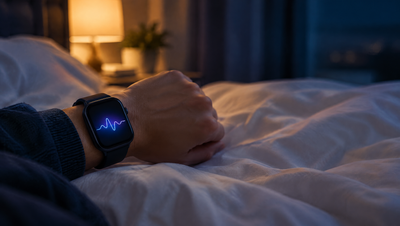
Waking up exhausted, snoring loudly, or fighting brain fog all day? Sleep apnea treatment has never had more options, from CPAP and custom oral appliances to weight-loss medication and Inspire nerve stimulation. But every one of them starts with the same step: an official diagnosis from a sleep test, which you can now take at home in your own bed.
Sleep apnea does not always come with loud snoring. Morning headaches, fatigue, brain fog, night sweats, insomnia, and nighttime anxiety can all be quieter warning signs that are easy to overlook. Learn who is most likely to be missed, what symptoms to watch for, and why overnight testing can provide clearer answers.

