

The Heart-Sleep Connection: Why Your Snore Might Be Breaking Your Heart
February is famous for Valentine’s Day, chocolates, and flowers. While we are celebrating love, the medical community observes a different, critical occasion: American Heart Month.
When we think of heart health, we typically think of diet and exercise. We think about cutting out salt or hitting the treadmill. However, there is a third pillar of cardiovascular health that is often overlooked until it is too late: your sleep.
If you snore, gasp, or wake up unrefreshed, your heart may be running a marathon every night while you lie in bed. Let’s look at the silent strain untreated sleep apnea puts on your cardiovascular system and why "just snoring" is a warning sign you can’t afford to ignore.
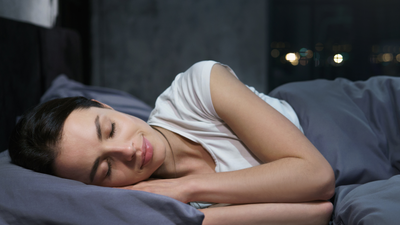
The Mechanism: How Apnea Hurts the Heart
Obstructive Sleep Apnea (OSA) is not just a sleep problem; it is a breathing problem that triggers a heart problem.
When your airway collapses at night, your breathing stops. Your oxygen levels drop (desaturation), causing your brain to panic. It sends a surge of adrenaline through your system, waking you just enough to take a breath. This causes your blood pressure to spike and your heart rate to skyrocket.
Now, imagine this happening 30, 50, or even 100 times an hour. Your heart never gets the rest it needs.
The Cardiovascular Risks of Untreated Sleep Apnea
Ignoring sleep apnea places immense pressure on your cardiovascular system. Here are the specific risks that link poor sleep to heart health:
- Hypertension (High Blood Pressure): This is the most common link. Because your body remains in "fight or flight" mode all night due to lack of oxygen, your blood pressure stays elevated even during the day.
- Atrial Fibrillation (AFib): If you suffer from an irregular heartbeat or "flutter," sleep apnea could be the culprit. Studies show a massive correlation between OSA and AFib, as the stress on the heart chambers causes electrical misfiring.
- Heart Failure: Over time, the constant struggle to pump blood against the pressure caused by apnea can lead to the heart muscle weakening or thickening (hypertrophy).
- Stroke: The fluctuations in oxygen and blood pressure increase the risk of plaque breaking loose or clots forming, significantly raising the risk of stroke.
The "Smarter" Way to Protect Your Heart
The good news is that these risks are often reversible. Treating sleep apnea has been shown to lower blood pressure, improve heart rhythm, and drastically reduce the risk of cardiac events.
You don’t have to guess about your heart health. You can take action immediately.
Steps You Can Take This February
You have the power to protect your heart. Here is how you can start:
- Know the Signs: Listen to your bed partner. Do they complain about your snoring? Do you wake up with a headache or dry mouth? These are red flags.
- Monitor Your Blood Pressure: If your blood pressure is high despite medication, ask your doctor if sleep apnea could be the missing link.
- Prioritize Sleep Hygiene: Keep your room cool, avoid alcohol before bed (which relaxes throat muscles too much), and try sleeping on your side.
- Get Tested (The Gold Standard): Diet and exercise cannot fix a collapsed airway. The only way to know for sure is a diagnostic sleep test.
Don’t Guess. Get Tested.
In the past, getting a sleep test meant spending a night in a hospital lab, wired up in a strange bed. At Sleeptest.com, we have made the process Smarter, Faster, and Better.
We ship a clinical-grade diagnostic device directly to your door. You sleep in your own bed, and our board-certified sleep physicians interpret the data to tell you exactly what is happening to your heart while you dream.
This February, the best gift you can give yourself, and the people who love you, is a healthy heart.
Start the process to finally wake up feeling rested, recharged, and ready for a heart-healthy day.
Click Here to Order Your Home Sleep Test
Sources:
- Peppard, Terry B., et al. "Prospective Study of the Association between Sleep-Disordered Breathing and Hypertension." The New England Journal of Medicine, vol. 342, no. 19, 2000, pp. 1378-84. https://www.nejm.org/doi/full/10.1056/NEJM200005113421901
- Gami, Apoor S., et al. "Obstructive Sleep Apnea, Obesity, and the Risk of Incident Atrial Fibrillation." Journal of the American College of Cardiology, vol. 49, no. 5, 2007, pp. 565-71. https://www.jacc.org/doi/full/10.1016/j.jacc.2006.08.060
- Shahar, Eyal, et al. "Sleep-disordered Breathing and Cardiovascular Disease: Cross-sectional Results of the Sleep Heart Health Study." American Journal of Respiratory and Critical Care Medicine, vol. 163, no. 1, 2001, pp. 19-25. https://www.atsjournals.org/doi/full/10.1164/ajrccm.163.1.2005084
- Yaggi, H. Klar, et al. "Obstructive Sleep Apnea as a Risk Factor for Stroke and Death." The New England Journal of Medicine, vol. 353, no. 19, 2005, pp. 2034-41. https://www.nejm.org/doi/full/10.1056/NEJMoa043104
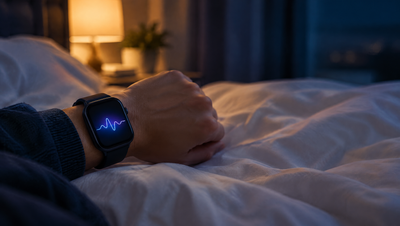

Waking up exhausted, snoring loudly, or fighting brain fog all day? Sleep apnea treatment has never had more options, from CPAP and custom oral appliances to weight-loss medication and Inspire nerve stimulation. But every one of them starts with the same step: an official diagnosis from a sleep test, which you can now take at home in your own bed.
Sleep apnea does not always come with loud snoring. Morning headaches, fatigue, brain fog, night sweats, insomnia, and nighttime anxiety can all be quieter warning signs that are easy to overlook. Learn who is most likely to be missed, what symptoms to watch for, and why overnight testing can provide clearer answers.

