

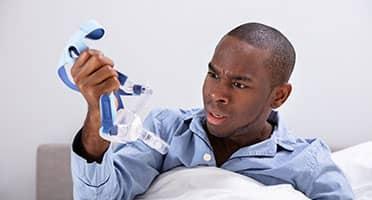
Did you know that sleep apnea is 80% undiagnosed? That means that most people with sleep apnea don’t know they have it or have a suspicion that they do but haven’t been tested. That’s a scary thought because non-diagnosis means non-treatment. And when you go without sleep apnea treatment, you succumb to sleep apnea’s symptoms and put yourself at risk for other conditions that can arise due to sleep apnea.
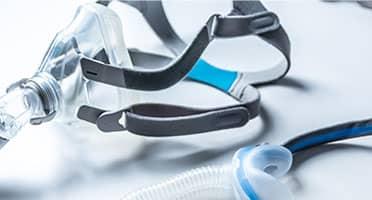
For many, fears about sleep apnea treatment are scarier than the possibility of having sleep apnea. It may seem attractive and easy to blissfully ignore the likelihood of sleep apnea, even when experiencing daytime sleepiness, morning headaches, and cognitive decline. But it’s crucial to get a sleep study if you suspect you may have sleep apnea.


Sleep apnea is a sleep disorder that plagues millions of people worldwide, with many cases going undiagnosed and untreated. When you have sleep apnea, you experience pauses in breathing while you sleep. These pauses can last anywhere from 10 seconds, a minute, or even longer before your brain panics and awakens you so you can resume breathing. You may not always notice these awakenings, but they can happen hundreds of times during the night for those who suffer from sleep apnea. Your lack of sleep and interruptions in your sleep cycle results in consequences like daytime sleepiness, morning headaches, and snoring. While you think you may be able to deal with those, there are other, more dangerous effects of untreated sleep apnea, too, like increased risk of stroke, diabetes, and heart disease.
For many dentists and doctors, the biggest obstacle to treating their patients’ obstructive sleep apnea is getting a sleep test. Patients must visit a separate office for a consultation before getting a sleep test. A sleep physician may also recommend a test at a sleep lab, which may be unnecessary and can lead patients to put off getting a test.

Do you think you might have sleep apnea? A great way to diagnose this condition is with a home sleep study. Don’t worry–you can have a sleep test sent directly to you and take it in the comfort of your own bed. Then, if your results indicate that it’s appropriate, we can connect you with a local dentist from our network that can fit you with a custom oral appliance for easy treatment.


If you're a dentist who treats sleep apnea, you've probably heard this question more than once. Many of your patients with Obstructive Sleep Apnea will likely have been to medical doctors for treatment. Some may already be using CPAP and cannot tolerate it. Others will have been to other dentists who did not have the education and training to treat this complex but prevalent breathing-related sleep disorder.

Millions of Americans are plagued with poor sleep. Night after night, no matter how exhausted they are, sleep eludes many people, and a blissful night of eight hours of sleep is a rare occurrence. Some people haven’t had a restful night of sleep in their entire adult lives, while others are just now having sleep-related issues for the first time.

In recent articles, we’ve discussed how to explain why dentists are treating Obstructive Sleep Apnea, and we’ve given some guidance regarding explaining what to expect with a home sleep study. Let’s now look at some of the most frequently asked questions about sleep apnea you’re likely to get asked during a new patient appointment.

