

Summer is the season of sunshine, travel, and long holiday weekends. But for millions of people living with sleep apnea, warmer temperatures can bring more sleep disruptions and added strain on the heart.
Keep reading to learn eight ways summer temperatures may worsen sleep apnea and why taking a home sleep test can be an important first step toward protecting your health, improving your sleep, and reducing nighttime disruptions.
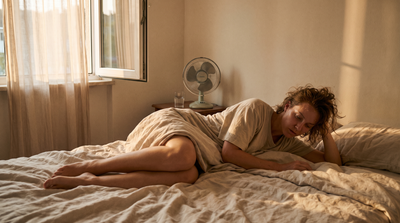
What Is Sleep Apnea?
Sleep apnea is a condition in which breathing repeatedly stops and starts during sleep. The two main types are obstructive sleep apnea (OSA) and central sleep apnea (CSA).
OSA is the most common type. It occurs when the airway becomes blocked or collapses during sleep, temporarily cutting off airflow. This can force the brain to briefly wake the body so breathing can restart. These interruptions are commonly measured using the Apnea-Hypopnea Index, also known as AHI.
How Summer Temperatures Can Worsen Sleep Apnea
Hot weather, humidity, dehydration, and changes in summer routines can all affect sleep quality. Here are eight ways warmer temperatures may make sleep apnea symptoms more difficult to manage:
- Higher Sleep Apnea Severity: Research suggests that rising ambient temperatures may be associated with an increase in obstructive sleep apnea severity. One estimate indicates an approximate 8.4% increase in OSA severity for every 10°C, or 18°F, increase in temperature.
- Upper Airway Inflammation: Heat and humidity can irritate the lining of the nose and throat. This irritation may cause swelling that narrows the airway before you even fall asleep.
- Muscle Relaxation: Extreme heat can encourage deeper muscle relaxation as the body works to release heat. This may also affect the muscles that help keep the throat open, increasing the likelihood of airway collapse.
- Increased Alcohol Consumption: Summer gatherings often involve more alcohol. Because alcohol relaxes the muscles of the throat, it can raise the risk of airway collapse and increase breathing interruptions during sleep.
- Added Stress on the Heart: Heat makes the heart work harder to move blood toward the skin for cooling. When this is combined with the oxygen drops caused by sleep apnea, it can create additional cardiovascular strain.
- Difficulty Lowering Core Body Temperature: The body needs to cool down in order to enter and maintain deeper sleep. A hot bedroom may interfere with this natural cooling process, leaving you in lighter, more disrupted stages of sleep.
- Dehydration and Thicker Mucus: Sweating can lead to fluid loss. When you become dehydrated, mucus in the airway may become thicker, increasing resistance to airflow and making nighttime breathing more difficult.
- CPAP Discomfort: Heat and humidity can make a CPAP mask feel uncomfortable. Sweating, skin irritation, and condensation inside the tubing may cause some people to use their device less consistently during the summer.
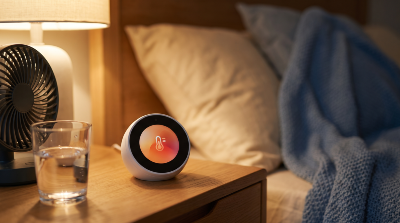
Practical Tips for Better Summer Sleep
Small changes to your sleep environment and evening routine may help you manage sleep apnea symptoms during warmer months:
- Keep Your Bedroom Cool: Aim for a bedroom temperature between 60–67°F. If air conditioning is not available, use fans and cross-ventilation to improve airflow.
- Hydrate Strategically: Drink water throughout the day, but consider reducing your intake about two hours before bedtime to limit nighttime bathroom trips.
- Follow the Three-Hour Alcohol Rule: Stop drinking alcohol at least three hours before going to sleep. This gives the body more time to metabolize it before bedtime.
- Take a Lukewarm Shower: A lukewarm shower about an hour before bed may help the body begin its natural cooling process as moisture evaporates from the skin.
Understanding Your Sleep
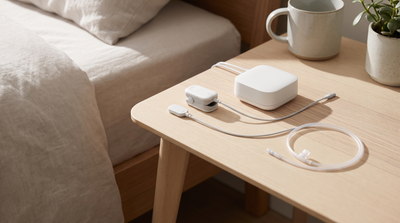
To understand how heat, humidity, alcohol, and seasonal changes may be affecting your sleep, it helps to establish a baseline. SleepTest.com offers an overnight home sleep test that can be completed in the comfort of your own bed.
The test records important information, including breathing interruptions and oxygen levels. Your results are then reviewed so you can better understand what may be happening while you sleep.
Take Control of Your Sleep This Summer
Do not let summer heat make poor sleep, morning headaches, gasping, snoring, or daytime exhaustion feel normal. These symptoms may point to an underlying sleep-related breathing issue that becomes more noticeable during warmer months.
If you regularly wake up feeling unrefreshed or notice that your symptoms become worse in the summer, order a home sleep test from SleepTest.com and take the first step toward understanding your sleep.
Frequently Asked Questions
Does hot weather make sleep apnea worse?
Hot weather may worsen sleep apnea symptoms by increasing airway irritation, relaxing throat muscles, interfering with the body’s natural cooling process, and making sleep more fragmented.
What temperature should my bedroom be for sleep apnea?
A bedroom temperature between 60–67°F is commonly recommended for sleep. A cooler room can support the natural drop in core body temperature that helps the body enter and maintain deeper sleep.
Does alcohol make sleep apnea worse in summer?
Yes. Alcohol relaxes the muscles in the throat, which may increase the likelihood of airway collapse. Summer gatherings can also lead to more frequent alcohol consumption, especially close to bedtime.
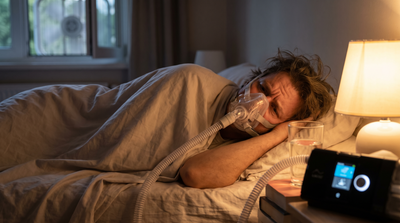
Why is my CPAP mask uncomfortable in the summer?
Heat and humidity can increase sweating, skin irritation, and condensation inside CPAP tubing. These issues may make the mask feel less comfortable during warmer months.
Can dehydration affect sleep apnea?
Dehydration may cause mucus in the airway to become thicker, increasing resistance to airflow and making breathing during sleep more difficult.
What is an AHI score, and how is it measured?
AHI stands for Apnea-Hypopnea Index. It measures the average number of breathing interruptions that occur per hour of sleep. It can be measured through an overnight sleep study, including an at-home sleep test.
How can I protect my heart from sleep apnea during summer?
Keep your bedroom cool, stay hydrated during the day, avoid alcohol close to bedtime, use your prescribed sleep device consistently, and speak with a healthcare professional if symptoms continue.
Do I need a sleep study if I only notice symptoms in summer?
Seasonal symptoms may still be a sign of an underlying sleep apnea issue that is present throughout the year. A home sleep test can help establish a baseline and provide more information about your breathing and oxygen levels during sleep.

Waking up exhausted, snoring loudly, or fighting brain fog all day? Sleep apnea treatment has never had more options, from CPAP and custom oral appliances to weight-loss medication and Inspire nerve stimulation. But every one of them starts with the same step: an official diagnosis from a sleep test, which you can now take at home in your own bed.
Sleep apnea does not always come with loud snoring. Morning headaches, fatigue, brain fog, night sweats, insomnia, and nighttime anxiety can all be quieter warning signs that are easy to overlook. Learn who is most likely to be missed, what symptoms to watch for, and why overnight testing can provide clearer answers.
Summer heat and humidity can worsen sleep apnea by increasing airway inflammation, relaxing throat muscles, disrupting deep sleep, and placing additional strain on the heart. This article explores eight ways higher temperatures may increase sleep apnea symptoms, along with practical tips for staying cool, reducing nighttime breathing disruptions, and protecting your health. It also explains how a home sleep test can measure your AHI and oxygen levels to help you better understand your sleep.

