


Have you ever been tired and groggy despite a full night's sleep? If you or someone you know snores regularly, sleep apnea could be the culprit. Sleep apnea is when breathing is repeatedly interrupted during sleep, leading to a lack of oxygen in the body. This can cause snoring, gasping, and even choking while sleeping. Sleep apnea has been linked to a host of health problems, including high blood pressure, diabetes, and stroke.
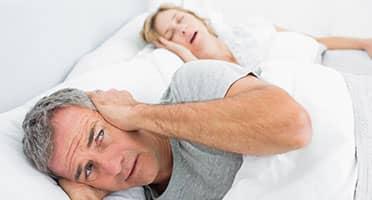
Sleep apnea is a sleep-disordered breathing condition characterized by pauses in breathing while you sleep. These pauses last anywhere from several seconds to much longer, depending on the severity of your condition, and can happen hundreds of times per night. Sleep apnea leaves you unrested and irritable with headaches, memory problems, and more. If you’re experiencing sleep apnea symptoms, get a home sleep test from SleepTest.com to find out if you have sleep apnea, what type you have, its severity, and your treatment options.
One thing many people fear when they worry about sleep apnea is sleep apnea surgery. Rightly so, undergoing surgery for anything is a bit scary. However, sleep apnea surgery isn’t usually necessary because other, less invasive treatments work better.

Your body performs many complicated processes to keep you alive and healthy throughout the day and night. Each system has a different purpose that has evolved over thousands of years to ensure the survival of our species. One such process is sleeping. The more we find out about it, the more we realize that it’s not just our brains that need sleep. It’s our entire body. And even when we think we’re sleeping fine, we may inadvertently be triggering a body response that prevents us from getting the restful sleep we need to be truly healthy. In a 2022 study, researchers found that sleeping with even a tiny amount of light can have health consequences.
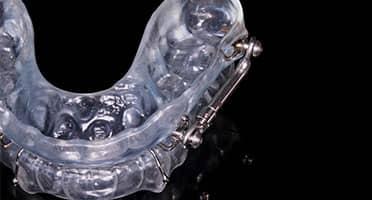
With three different types of sleep apnea and multiple treatment options, you can feel overwhelmed and like your situation is hopeless. Not only that, but you’re suffering detrimental sleep apnea symptoms, making your personal, professional, and social life seem like a chore. Choosing the right treatment for sleep apnea shouldn’t be so hard.

Many people suffer from sleep deprivation. In fact, as many as 50 – 70 million Americans suffer from a sleep disorder that significantly impacts their lives. One such disorder is sleep apnea. Sleep apnea is when you experience interruptions in breathing throughout the night. These interruptions can last 8 seconds or longer, depending on the severity of the disorder. They can happen hundreds of times per night, preventing your body from getting the oxygen and sleep it needs to function in the following days.
An estimated 29.4 million adults in the U.S. have sleep apnea, and 80% go undiagnosed and untreated. Unfortunately, many men write off their sleep apnea as insomnia, and women underreport snoring. This makes it difficult for physicians and dentists to screen for sleep apnea, diagnose, and provide life-changing treatment.

If you are tired of poor sleep, daytime fogginess, constant fatigue, and stress from never feeling well rested, it may be time to explore the possibility that you suffer from Obstructive Sleep Apnea (OSA). Millions of people have OSA, and many of those people suffer the adverse health effects of OSA for years (even decades) before getting a proper diagnosis and treatment for this serious sleep disorder.

Millions of people struggle with sleep for a number of different reasons. There may be physical reasons for poor sleep, emotional reasons for inconsistent sleep, or some combination of physical and mental struggles that cause sleep to be elusive.

Obstructive sleep apnea (OSA), like many other diseases and medical conditions, manifests differently in men and women. While this type of sleep apnea is the most common sleep disorder in the world, it does look different in women than men. Also, while men are more likely to develop OSA, many women have it but go misdiagnosed or undiagnosed for many years because of various factors that will be explored here.

